Trusted by sailors since 1978 – available in print & eBook
Svalbard Preparation
The information below supplements that given in Chapter Norway, 2. Preparation, some of which also applies to Svalbard.
Most of Svalbard is protected, and strict rules govern where you may travel and what activities are permitted. Research should begin well in advance, up to a year ahead, especially if you plan to hire a firearm.
More on Rules and Regulations.
Challenges
A voyage in a small boat within 600 nautical miles of the North Pole is a serious undertaking. Both boat and crew must be capable of handling harsh Arctic conditions at any time.
Ocean Passage
The crossing to Spitsbergen via Bjørnøya is easier than passages to Greenland or Antarctica, but it should not be underestimated. Conditions are often rougher than wind strength alone would suggest, and a lumpy passage is normal.
Floating Logs
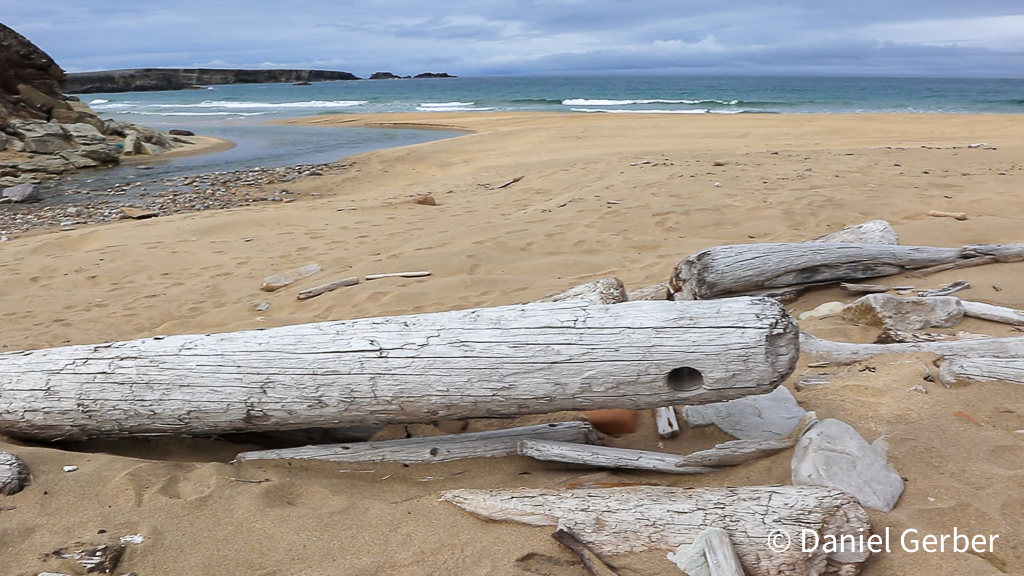
They constitute a hazard which you must accept when sailing these waters. Large floating logs, originating from Siberia and sometimes up to 1 m in diameter and 10 m long, are common in the Barents Sea and around Svalbard. They are hard to spot except in calm conditions and represent a real hazard.
Cold
Cold places physical and mental strain on the crew. Watches may need to be shortened, doubled up, or extended due to ice or fog. Ice watches while at anchor often lead to broken sleep over many nights. Cold, fatigue, and seasickness together can quickly result in hypothermia.
Isolation
Services are scarce and you may not see other boats or people for long periods. Bad weather or accidents can be far more serious in such a remote environment.
Weather
Svalbard weather is highly variable and can change quickly from calm to dangerous.
Fog is common around Svalbard and the surrounding seas. It is often very local and can form quickly. In areas where sea ice is present, fog can become a serious hazard.
Ice
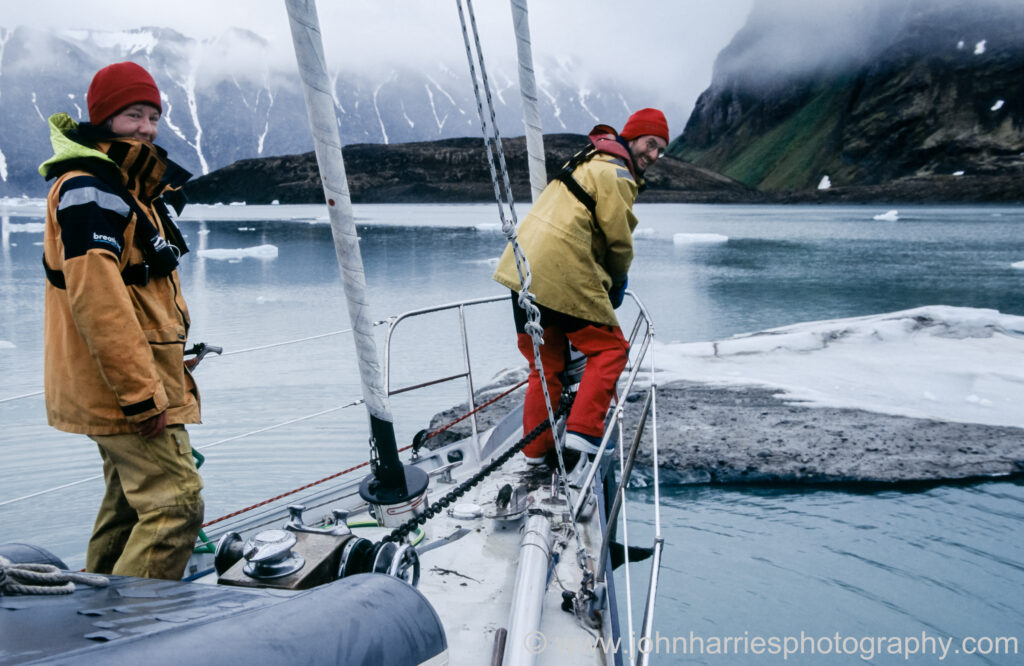
Ice conditions can change quickly and become dangerous without warning, even along the usually calmer west coast of Spitsbergen. Wind and currents are often hard to predict and strongly influence ice movement. Anchoring in the shallowest water your yacht allows helps limit the size of ice that can reach and threaten the boat.
Polar Bears
In Svalbard, humans are no longer at the top of the food chain. While only approximately 300 polar bears have their habitat on Svalbard all year round, at least 3 x that number will be found on the islands at times. Many of these move between Franz Josef Land and Spitsbergen, depending on the state of the sea ice. Polar bears can appear anywhere and at any time throughout the main islands. Proper preparation is essential.
More on Polar Bears and Polar Bear Protocol.
Preparing the Boat
For the passage to Svalbard, your boat must be well prepared and capable of handling a demanding ocean crossing of several hundred nautical miles. There are almost no services for boats in Svalbard, so you need to be fully self-sufficient when it comes to repairs and maintenance. Spare parts can be ordered and flown into Longyearbyen if needed, but this takes time and can be expensive. New legislation from 2020 introduced specific requirements for safety and communication equipment for boats <24 m, but all may not be relevant for non-commercial vessels. At time of writing the strict reporting requirements for yachts >15 m are relevant for Jan Mayen but not for Svalbard.
But again: dialogue with the Governor should preferably begin a year before the planned journey.
Anchoring Gear
To anchor safely in many Svalbard anchorages, you need an anchor that can penetrate thick kelp. Many anchorages are deep, so adequate chain and / or rode is essential.
Ice Poles
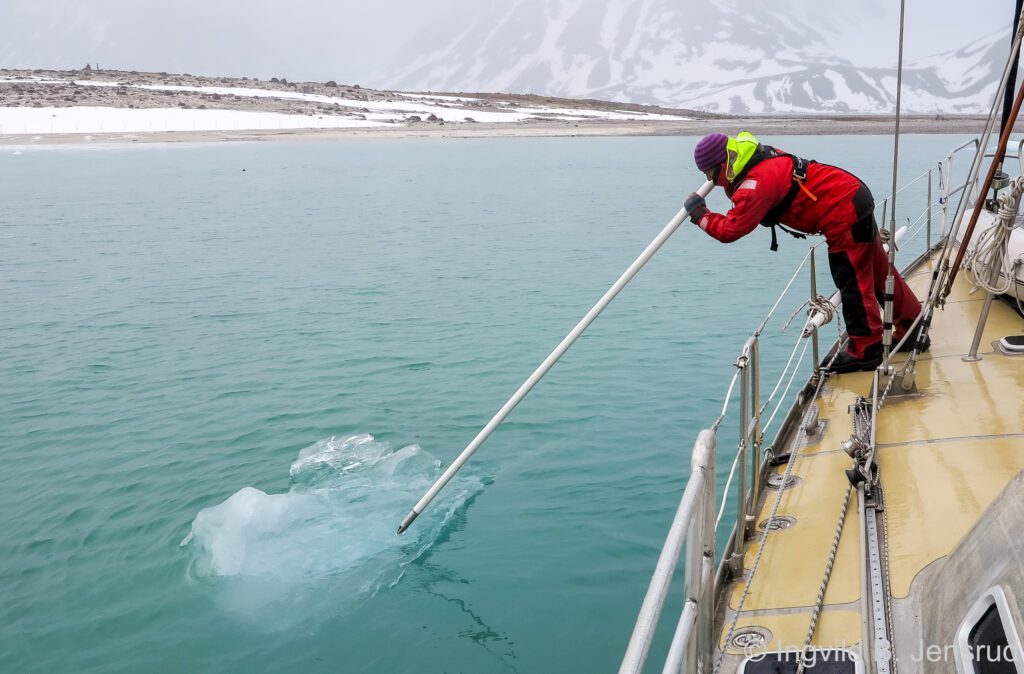
A long boathook can be used as an ice pole, though wooden poles are a better alternative if you do not want to risk damaging your boathook. One contributor carried two wooden boat hooks, each 3 m long and 3.5 cm in diameter, for pushing ice. These are close to the minimum size for effective ice work, but they were adequate for their needs.
At anchor, it is often surprising how large an ice piece you can push away, or more accurately, how easily you can push the boat clear of it. However, when moored to a quay or to a floating pontoon, the size of ice you can move is much smaller, and there is a real risk of being pinned against the dock or even crushed by ice.
Navtex
Navtex provides English-language weather forecasts and ice information, as well as important Notices to Mariners. While it may be seen as obsolete with reliable satellite communications, it does deliver critical information automatically.
Radar
Fog is common in the waters around Svalbard, making radar an important safety aid and a significant reducer of stress when navigating in poor visibility. Note, however, that most radar units typically fitted to leisure yachts have limited capability for detecting sea ice. Such radars should therefore not be relied upon as the sole means of ice detection in areas where ice may be present.
AIS
With new legislation in place from 2020 AIS class B is a formal requirement for all vessels in Spitsbergen. It improves situational awareness, collision avoidance, and supports search and rescue, especially in poor visibility.
Communications Equipment
There is a formal requirement for all vessels to carry satellite communication if sailing outside area of VHF cover in the islands. Iridium and Starlink are the only satellite systems that work reliably in high latitudes. While we have previously used Iridium in the islands, in 2025 we used Starlink and found coverage very reliable.
More on Communications.
Tender
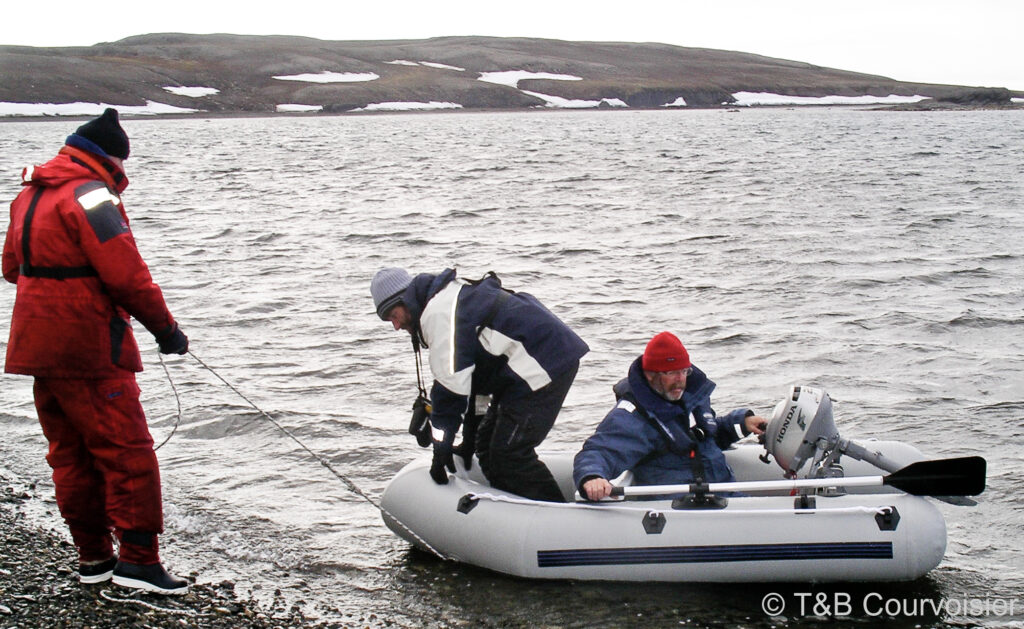
If you use an inflatable dinghy, we suggest you bring it aboard when at anchor and avoid leaving it unattended while ashore. Polar bears or walruses may damage it. You may want to carry a spare tender in case the main one is punctured by animals or sharp objects. The water is very cold, and swimming back to the boat is definitely not an option, even over short distances.
Weather Protection
Good cockpit protection combined with proper cold-weather clothing is usually sufficient to protect from cold and humidity. Nevertheless, enclosed cockpits or wheelhouses offer more comfort in poor conditions.
Heater
A reliable cabin heater is essential for comfort and to reduce the risk of hypothermia. Water temperatures are only a few degrees above zero and will significantly cool the interior of the boat and produce condensation, even if the hull is insulated.
Safety Equipment
High Arctic voyages require extensive safety equipment. The International Racing Federation Offshore Special Regulations (formerly ISAF) are a useful reference.
Visitors travelling outside Management Area 10 must carry an emergency beacon and register its ID with the Governor before departure. On a crossing from mainland Norway you will spend time outside Management Area 10, hence this is compulsory equipment.
Preparing the Crew
Extra crew can greatly reduce fatigue, especially during long, cold and wet passages and ice watches. Crew numbers depend on boat size, plans, and experience.
Avoid tight schedules when planning crew changes. Fixed dates often lead to poor decisions — “the most dangerous thing on a cruising boat is a calendar.”
Clothing
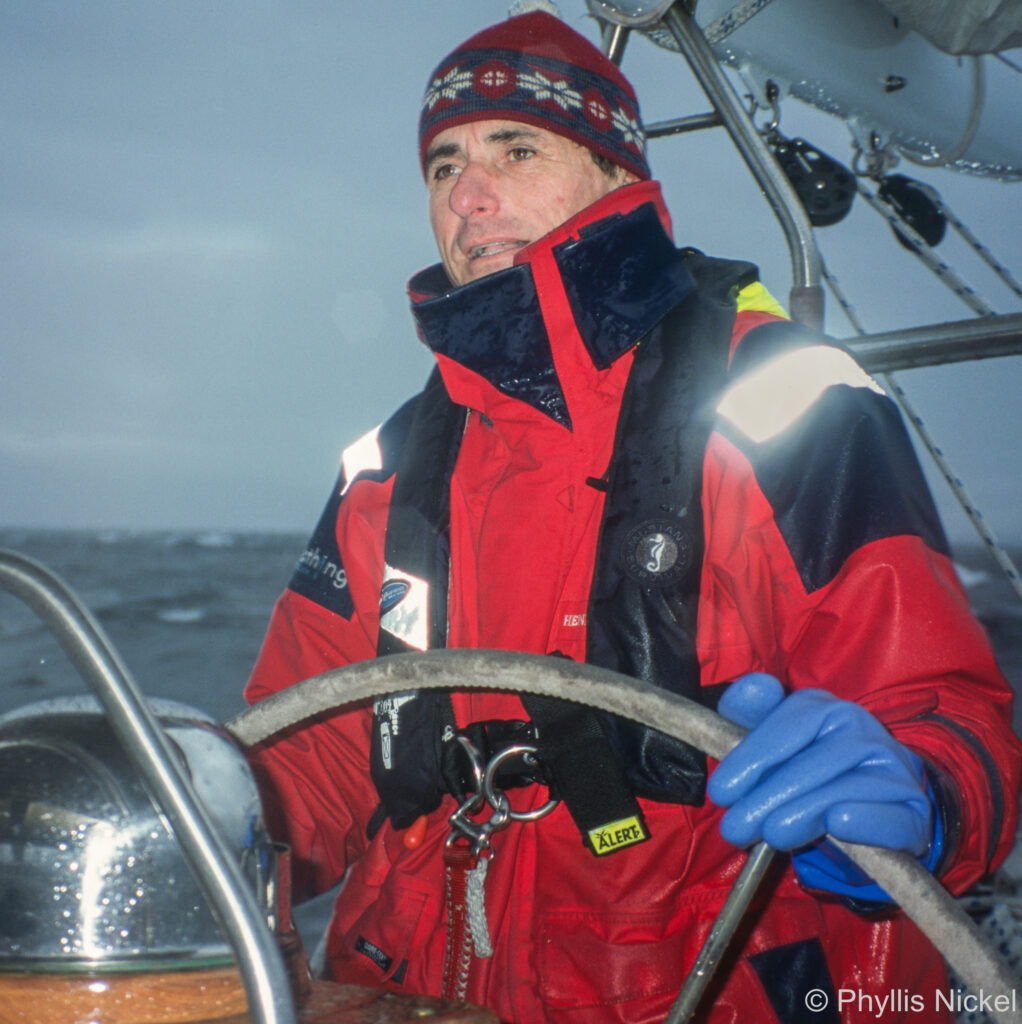
Sometimes, temperatures may be higher than expected for this latitude, but wind chill can still be severe. Good-quality foul-weather gear is essential. Dress in layers and bring warm head and ear protection, insulated waterproof gloves, and warm, waterproof boots.