Trusted by sailors since 1978 – available in print & eBook
Norway Miscellaneous
Health
Health Insurance
Tourists from EU/EEA, Switzerland, UK and Australia
Tourists from EU/EEA countries, Switzerland and the UK are entitled to medically necessary treatment with the European Health Insurance Card (EHIC). They pay the same patient fees (egenandel) as Norwegians, covering emergencies, hospital care, and some prescriptions, but not planned treatments. At time of writing this also includes travellers from Australia, see website for updated information. There are aspects of healthcare not covered, and travel home after disease or accident is not covered. All travellers are advised to have private travel insurance in addition to EHIC.
Tourists From Other Countries
Tourists from other countries are not entitled to reimbursement by the Norwegian National Insurance Scheme and will be billed for treatment received. It is essential for these to have private travel insurance.
Outdoor Health Hazards
Tick-borne borreliosis (Lyme disease) is common on the south and west coasts of Norway, and very seldom seen north of Sandnessjøen. Tick-borne encephalitis (TBE) is less common with <100 cases reported per year along the coast between Swedish border and Flekkefjord. After walking through bushy terrain on the south and west coast it would be wise to inspect your skin for ticks. Any embedded ticks should be removed and most pharmacies in the region will stock special tweezers made for this purpose. If a rash or fever develops after a tick bite, you should consult a doctor. A vaccine is available against tick-borne encephalitis. No vaccine is available against Lyme disease.
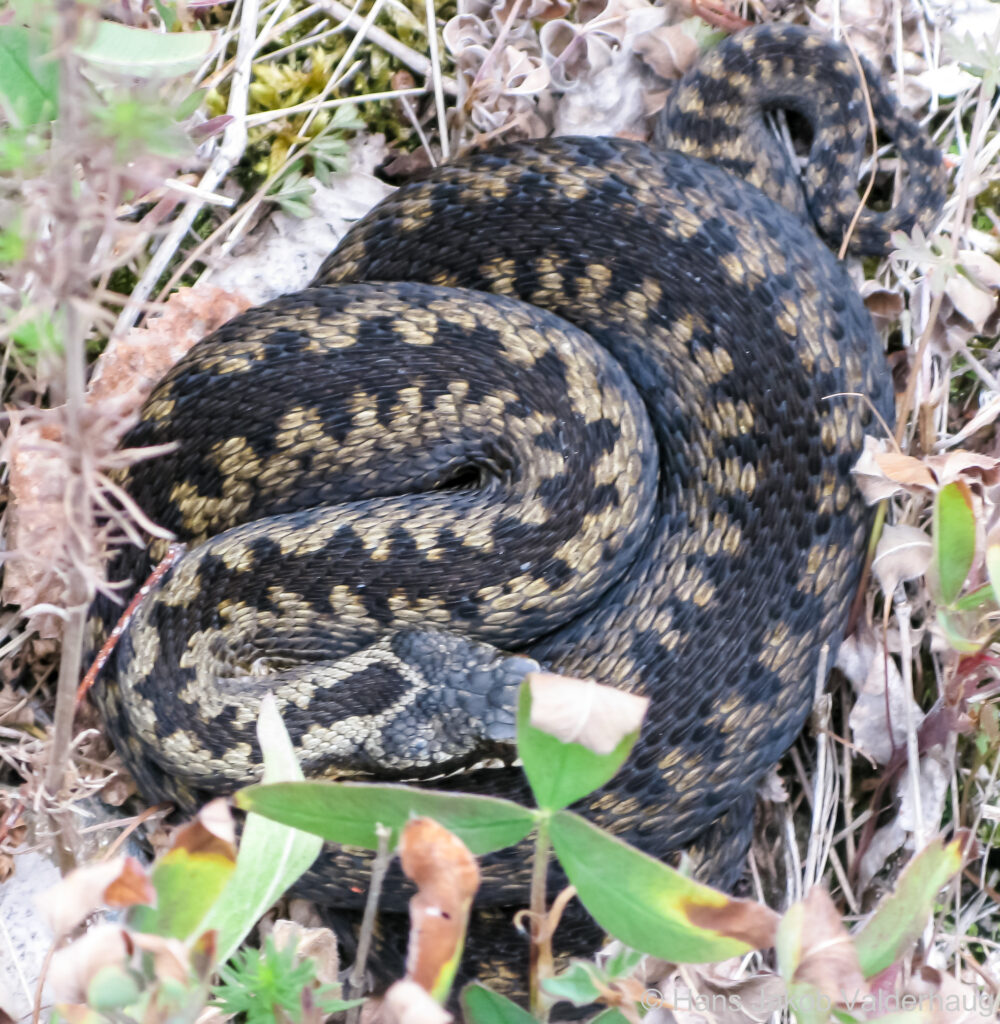
The venomous Hoggorm (Vipera berus / black adder) is found along the coast as far north as the Arctic Circle. While a bite is rarely life-threatening to a healthy adult, the poison may be lethal to children and to those few who are allergic. If someone is bitten, the general advice is to keep the afflicted limb elevated and the patient still. Contact medical services immediately.
To avoid contracting giardia, do not drink untreated water from lakes or streams. Though most Norwegian hikers will happily drink from streams and rivers, you will have to decide for yourself, based on your level of risk tolerance.
In case of a medical emergency call 113 on your mobile phone
Pets
Mainland Norway is rabies free and authorities are keen to keep it that way. This is reflected in strict regulations on the importation of pets into the country. The animal must be ID-marked, have a valid pet passport and valid anti-rabies vaccination. Dogs must have received an anti-echinococcus treatment. The Norwegian Food Safety Authority will give you further instructions depending on your country of departure.
Public Transport
Arranging for crew changes or visitors is easy to do since almost every community in Norway has some form of public transportation. And they run on time!
- Bus
- Train
- Ferry
- Plane (SAS, Norwegian, Widerøe, EasyJet)
- Hurtigrute/Havila (coastal express) ships run passengers and cargo between Bergen and Kirkenes with a north-bound and a south-bound ship stopping daily in each of the 35 ports along the route.
The Midnight Sun
The short nights of summer in the high latitudes have many advantages:
- Navigation is easier in daylight and you don’t have to worry about dealing with unfamiliar harbours or anchorages in the dark;
- It is possible to make more miles in a day without missing the passing scenery;
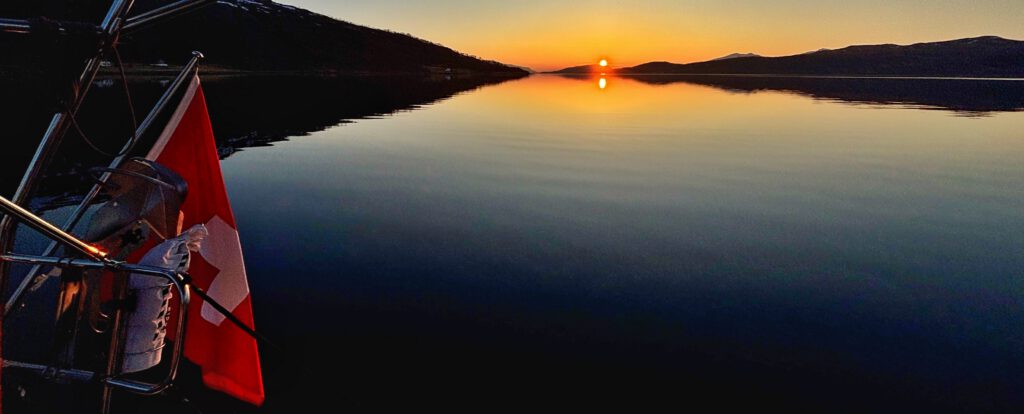
- The midnight sun produces the most beautiful long light – great for photographers!