Trusted by sailors since 1978 – available in print & eBook
Norway Language, Arts and Culture
Language
Most Norwegians speak English and are not at all chauvinistic about their language or resentful about being approached in English, so you will be able to communicate in English in almost all situations; however, an attempt on your part to learn a few words inNorwegian will be greatly appreciated and may very well be the start of a long-term friendship.
The Norwegian language is changing, plus there are actually two different Norwegian languages (Bokmål and Nynorsk) used in different places and, to add to the confusion, there are almost as many dialects as there are villages! This creates some problems for the non-Norwegian speaker both, when trying to learn to speak Norwegian and when trying to figure out how to spell the name of a harbour.
Some Norwegian place names with the approximate pronunciation in brackets and the accent shown in bold:
- Stavanger (stah-vahng-er)
- Molde (mold-uh)
- Gjøvik (yuh-veek)
- Kristiansand (krihst-yahn-sahn)
- Norge (nawr-guh)
- Myrdal (meer-dahl)
- Ålesund (awl-uh-soon)
- Lofoten (loh-futen)
- Trondheim (trohn-hae-eem)
- Narvik (nahr-veek)
- Dovrefjell (daw-vruh-fyel)
- Oslo (os-shloh)
- Jotunheimen (yoh-tuhn-hae-eem-en)
- Tønsberg (tuhns-bairg)
- Værøy (vaer-uh-ee)
- Norsk (nawr-shk)
A few tips that might help:
- Norwegian indicates the definitive form with a word ending rather than a prefixed article.
- For e.g. Sognefjorden means Sognefjord, with “en” meaning “the”. So if you say “the Sognefjorden”, you are actually saying “the the Sognefjord”. The endings “an” and “et” are other forms of “the” used at the ends of words. In the Guide we have chosen to use both formats (e.g. the Sognefjord and Sognefjorden), depending on the context.
- The plural form is usually indicated by the addition of an r at the end of the word.
- For e.g. the plural of varde is varder and the plural of holmen is holmer.
- Earlier usage, often seen on old charts, is aa. This has been replaced in general usage by å.
- Island was, in the old days, written simply as ø. Present usage has evolved to øy (an island) and øya (the island). However, in real life, all three are used interchangeably and you may see a place referred to one way on the chart, a different way in Den Norske Los and a third way in a tourist book.
- Norwegian has three more vowels than English, considered the last three letters in the Norwegian alphabet:
- æ which is pronounced like the a in cat;
- ø which is pronounced like the u in mud;
- å which is pronounced like the o in Minnesota;
- The g is never soft and is often suppressed;
- The s is often slurred;
- The dis often silent, especially in nord, which is also true for a final t.
To really pronounce Norwegian correctly you need to be coached by a Norwegian. Of course, once you finally get the pronunciation right after numerous repetitions, you will travel 100 nm along the coast, the dialect will change, and you will have to start all over again!
Culture
Contributors to the guide have different experience with Norwegian culture, often depending on what part of the country they are visiting and how long time they are spending here:
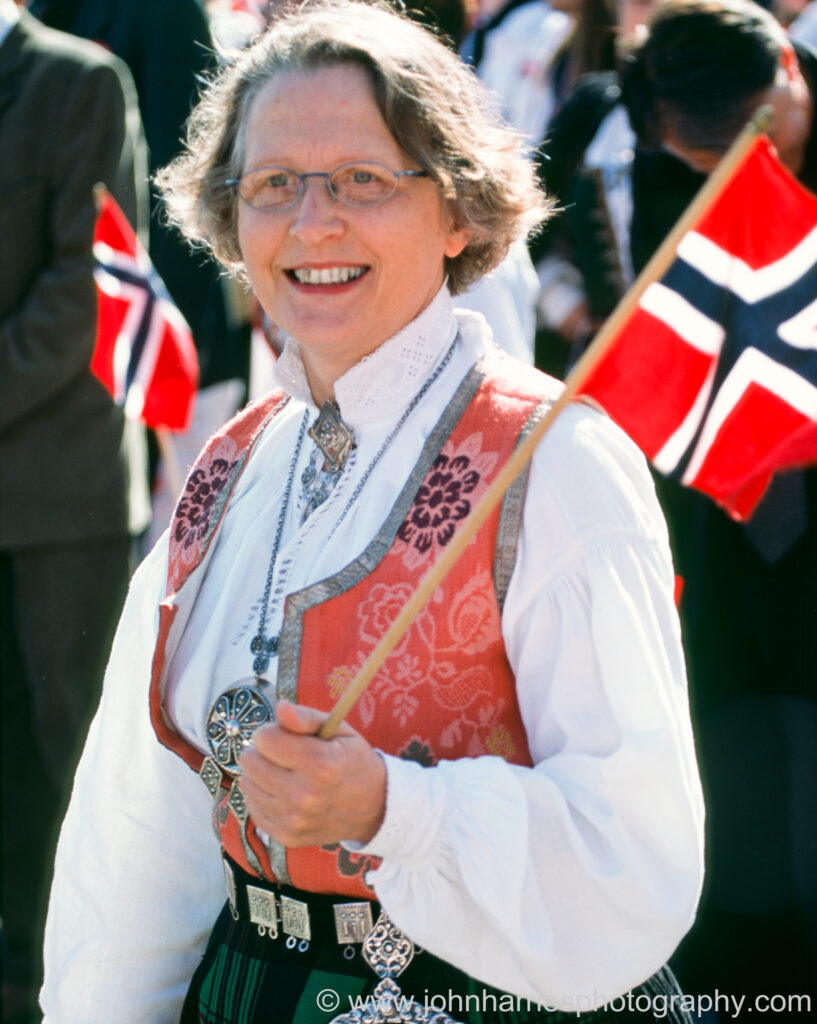
- If you stay in an anchorage for just one day, you will usually not meet anyone. However, if you stay for two or three days, there will often be a knock on the hull from someone dropping by to see if you need anything, or just to chat.
- Most Norwegians will just say hei (hello) upon meeting you and say hyggelig å treffe deg (pleased to meet you) at the end of the meeting. This, unlike as in other cultures where people automatically say “Pleased to meet you” when you meet someone new.
- Norwegians also don’t tend to say “please” as much as English speakers do. However, takk (thank you) is used all the time as is vær så god, which can mean anything from “can I help you?” to “you’re welcome”.
Holidays
Norway goes on holiday in July. This means that harbours and marinas are jammed solid at least in the more populated areas, and getting any repairs done on your boat will be impossible during this time.
17 May is Norway’s Constitution Day, and if you can arrange to be in Norway on this day, do! It says something wonderful about a country whose national day is a day for children rather a day for the military.
Flag Etiquette
Norwegians are flag conscious, with a flagstaff on almost every country house. It is therefore important to fly the Norwegian courtesy flag and to observe proper flag etiquette.
Art And Music
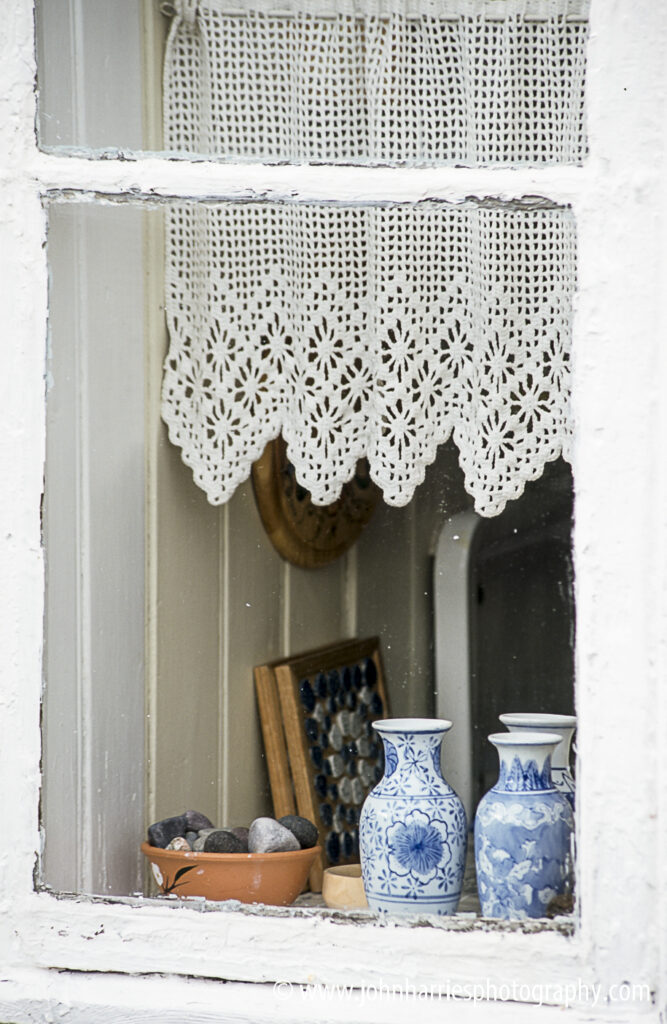
Visitors to Norwegian homes are often struck by the presence of original Norwegian art on display. This strong interest in national art is also reflected in public spaces, where many harbours feature outdoor sculptures and art installations.
Attention to detail is likewise evident in domestic window decoration. In residential neighbourhoods — particularly during the dark season (mørketid), when interiors are softly illuminated — rows of lit windows create an atmosphere reminiscent of an open-air gallery.
Traditional Wooden Boats
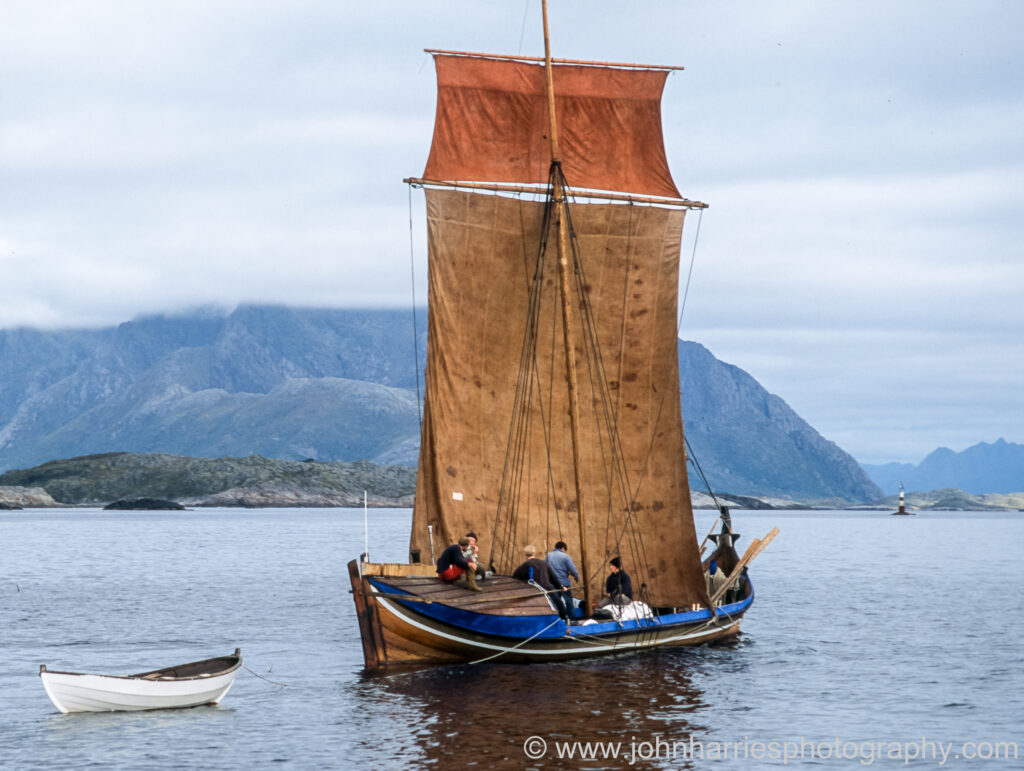
The variety of traditional wooden boats you will see as you move along the coast is proof of Norway’s long boatbuilding and seafaring history. And it’s a history that many Norwegians are trying to keep alive, both, by preserving boats in museums and by continuing to build beautiful traditional boats.
Of special interest are:
- The double-ended clinker-built Viking longship-style Nordlands boat, which are still built and sailed extensively as pleasure craft in North Norway;
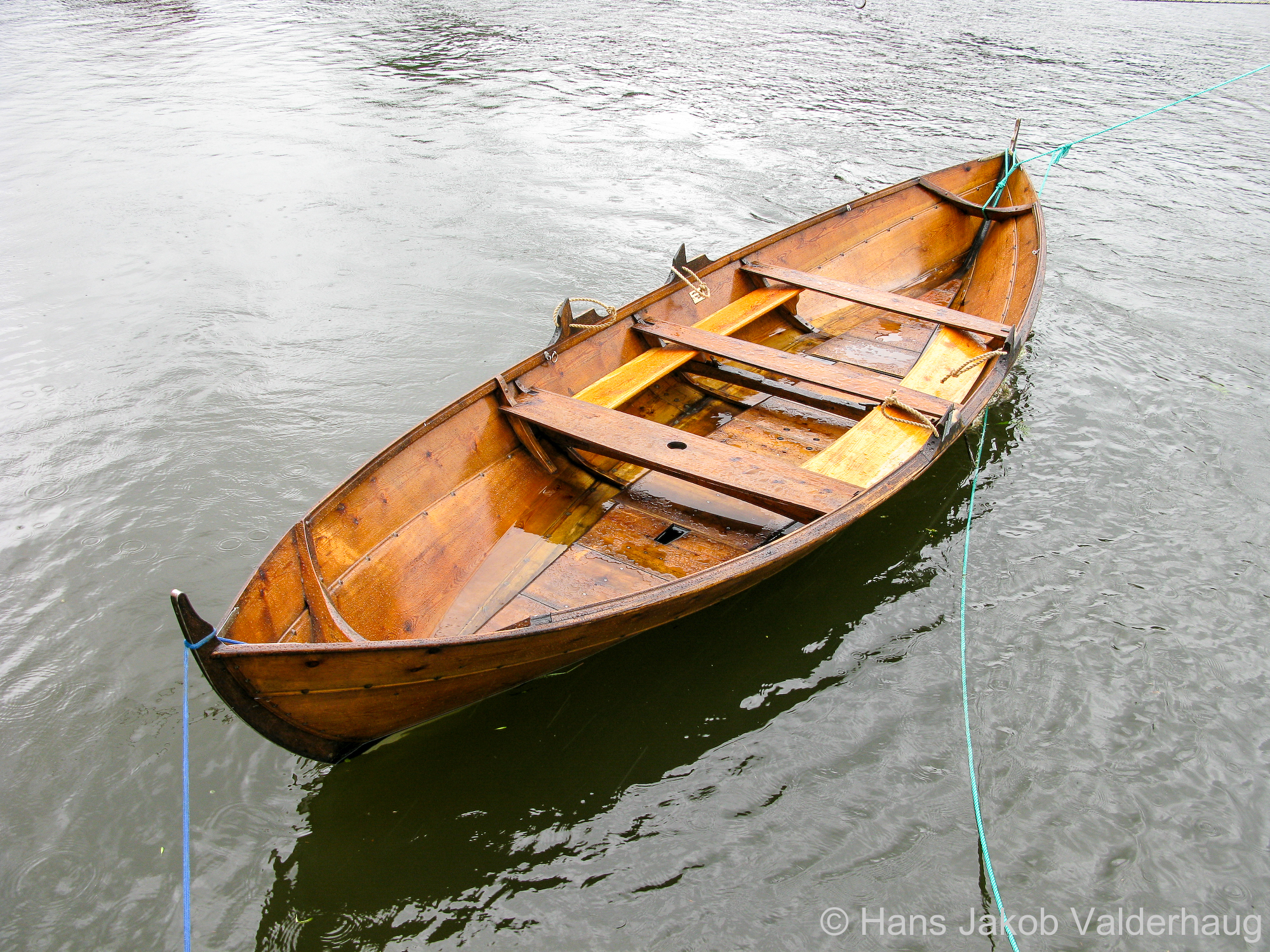
- The oselvar, a traditional rowing boat that was once western Norway’s main mode of transportation but which almost died out with the introduction of modern boats in the 1940s. It is now listed on UNESCO’s Register of Good Conservation Practices, a compendium of experiences and examples of how the transmission of living heritage has been preserved to be passed on to future generations.
Museums And Events
We list notable museums and events under the applicable Harbours and Anchorages entries, but we highly recommend you also check Visit Norway for anything we might have missed!
The Society for the Preservation of Norwegian Ancient Monuments
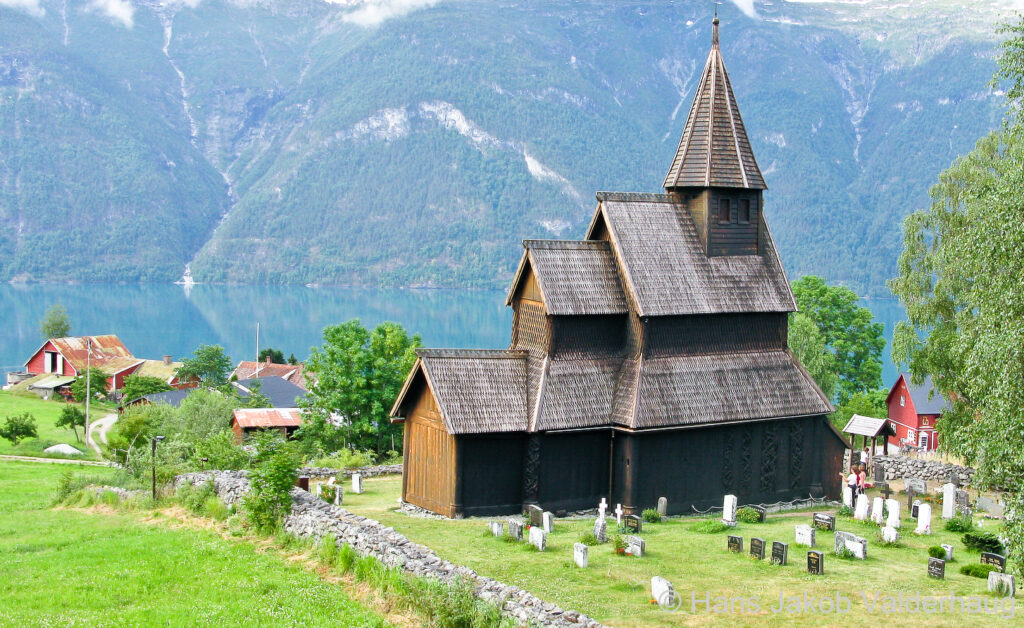
The Society manages numerous historical sites, including a number of medieval wooden stave churches.