Trusted by sailors since 1978 – available in print & eBook
Norway Environmental Concerns
Waste
Norway’s coastline is remarkably clean and unspoiled. From the sheltered skjærgård to the long, dramatic Norwegian coast with its fjords, islands and open sea, these waters are known for their natural beauty and clear surroundings. This condition is largely due to the high standards shown by those who use them, as most harbours, quays and anchorages are kept tidy and free of litter. Visitors and local boaters alike benefit from this shared respect for the environment. Please help preserve it by disposing of waste responsibly and leaving no trace behind.
Discharging waste from leisure boats into the sea is prohibited in Norwegian territorial waters; food waste may only be discharged offshore in accordance with MARPOL rules, but along the Norwegian coast it should be landed ashore. Plastics should never be discharged at sea. There are large containers for rubbish in almost all harbours and if you are spending a few days in an anchorage, you should take your rubbish on to the next harbour.
Holding Tanks
The EU and affiliated countries have agreed to a treaty prohibiting any release of black water over board, known as the Helcom Convention. This agreement has been implemented in all the Nordic countries except Norway.
In Norway there is no formal regulation requiring domestic or foreign-flagged vessels to have holding tanks installed; however, Norwegian law states that the discharge of untreated sewage is not allowed within 300 m from shore.
There are, however, some harbours in Norway that are zero-discharge zones and this rule should be followed in any small anchorage or harbour that doesn’t flush well.
In Oslofjorden (defined as the area from the Swedish border to Kragerø, including all of the fjord in between) it is illegal to empty black water over board.
A list of pump-out stations can be found here.
There are virtually no pump-out facilities in North Norway and they are few and far between even in the south.
Many of the anchorages described in the Guide have basic toilet facilities ashore and we encourage the use of these whenever possible; however, at sea, even in fairly confined areas, there is no restriction to use marine heads.
Wildlife
Annoying or Dangerous
- Mosquitoes and flies can be a problem to the sensitive and in some places appear to grow to the size of sparrows!
- Norway does have ticks, leading to concerns regarding Lyme disease and encephalitis.
- The only poisonous creature in Norway is the black adder.
- Moose (elg) should be avoided in the fall rutting season.
Seabirds
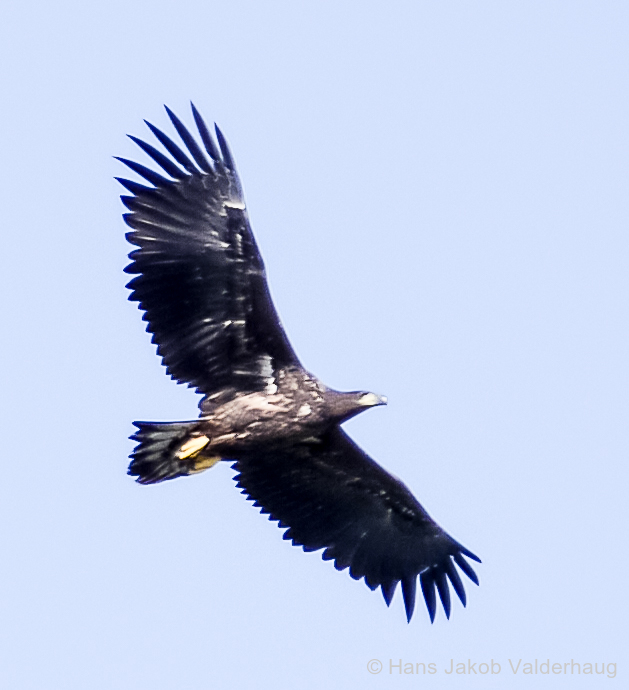
Norway is a country of seabirds, with several coastal islands internationally known for large colonies: Runde near Ålesund, Røst in Lofoten, Fuglnyken and Bleiksøya in Vesterålen, and Fugløya near Torsvåg. The magificent havørn (sea eagle) can be seen all along the coast, even in Oslofjorden. They are however most common from Flatanger in Trøndelag and up to Vesterålen.
Nature and Bird Reserves
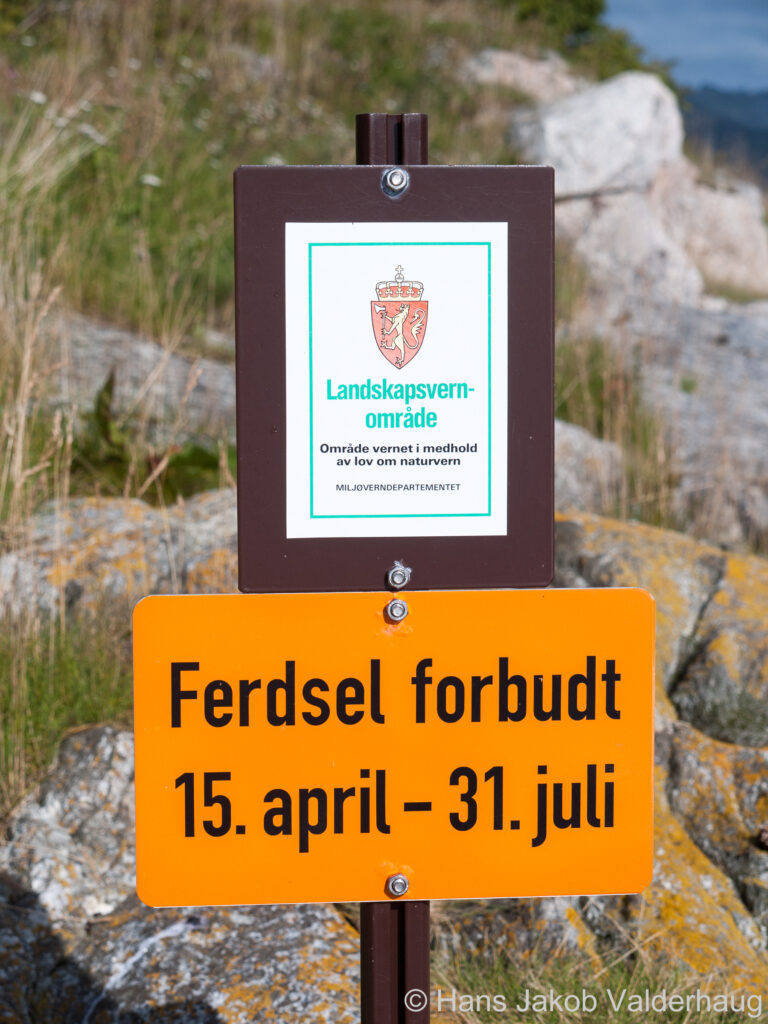
Norway has nearly 3 000 nature reserves, most of which are open to the public, but activities that damage local ecosystems are prohibited and some of these reserves have seasonal limitation of access. This is usually during the bird breeding season, which is 15 April to 31 July in most areas; 15 April to 15 July in the south. Due to changes in weather and breeding patterns it is under discussion to push forward access restrictions to 15 March in the south.
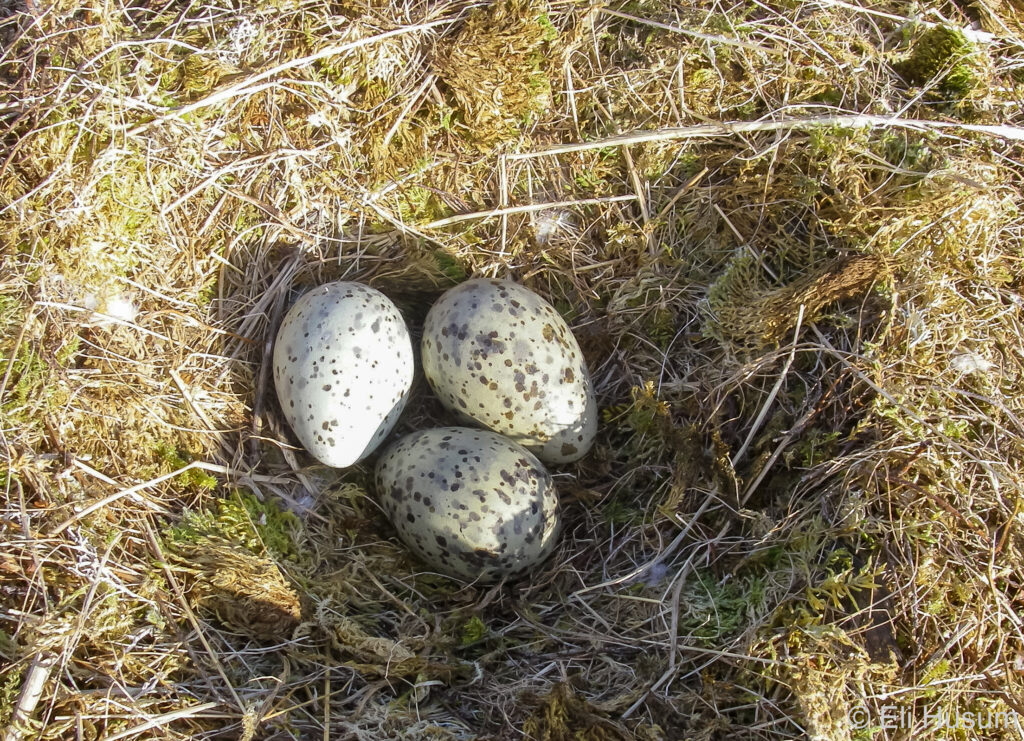
If exploring the skjærgård off the main leads and away from villages, you should be sensitive to this high degree of seabird protection, though it is may be difficult to determine exactly where and when to be concerned.
Some ways to find out about these reserves:
- We have made a note in Harbours and Anchorages entries of the location and limitations of reserves where we are aware of them.
- The small craft charts (Båtsportkart series) and maps in norgeskart.no show reserve boundaries but not access limitations.
- Many of the more stringently protected areas are signposted, though often without any description of the limitations.
- The best way to find out may be to enquire locally, if that is an option.
The Marine Mammal Harvest
The harvesting of marine mammals is a topic that provokes strong feelings in many people, including Norwegians. The harvesting of whales is especially divisive. Norway does have an annual minke whale harvest, and whale and seal meat are available in many restaurants and supermarkets, primarily in North Norway and Svalbard.